
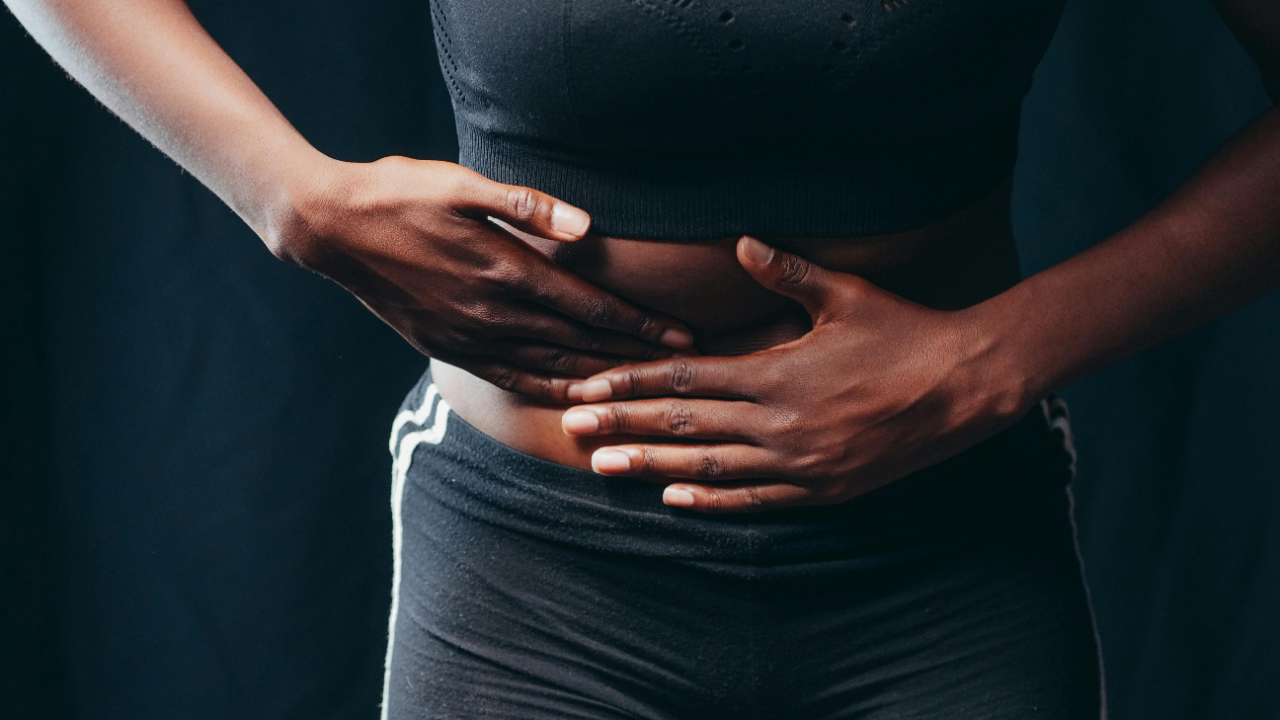
IBS, menopause & why your gut deserves better.
Jan 13, 2026I see a lot of women in clinic with troublesome gut symptoms, and I also see a lot of comments online around IBS. Anyone with gut symptoms should always see their GP & have anything truly worrying ruled out. But even that ‘positive outcome’ can mean that they’re left with a diagnosis of IBS and no closer to finding a remedy.
“It’s just IBS.”
They’re possibly sent away with advice to avoid certain foods, perhaps try an over-the-counter remedy, and essentially learn to live with it. And what I hear time and time again is that these symptoms haven’t been around for a few weeks or months - they’ve been present for years. Sometimes decades.
These women have been quietly managed bloating, cramping, pain, constipation, diarrhoea, unpredictability - because they’ve been told there’s nothing that can really be done.
And then menopause arrives… and everything gets worse.
Sometimes digestive symptoms appear seemingly out of the blue during menopause. But more often, what I see is a long-standing picture that suddenly ramps up - or becomes part of a much bigger, more complex menopause experience.
And I want to be very clear about this.
From my perspective in clinic, it is never just IBS.
I can’t say that in every single case there’s a simple fix - but in most cases, there is absolutely work that can be done to reduce symptoms and improve quality of life. And ideally, that work does not involve endlessly cutting foods out.
Because when diet becomes more and more restricted, it can quickly become self-fulfilling – our tummy becomes increasingly sensitive. Nutrient intake suffers. Confidence around food erodes. Mealtimes become stressful. Social plans are shaped around toilet access. Travel becomes daunting. And that constant mental load - What can I eat? Where’s the nearest loo? Will this trigger symptoms? - is no way to live.
So let’s look at the bigger picture.
In menopause - and perimenopause - digestive symptoms can show up at every level of the gut.
Right at the top, women may notice a dry mouth, reflux, heartburn, or various forms of indigestion. There is evidence to suggest a relationship between oestrogen levels and histamine production. Histamine plays a role in stimulating stomach acid, so changes in oestrogen may have a knock-on effect on acid production - potentially driving reflux-type symptoms.
Further down the digestive tract, we often see changes in gut motility. Oestrogen supports the muscular contractions that move food through the gut. Progesterone also plays a role in slowing gut movement. Changes in both can contribute to bloating, cramping, discomfort, constipation, or that sluggish feeling that everything just isn’t moving properly.
Then there’s the gut microbiome - that huge population of microbes living in the digestive tract. Hormonal changes can influence the balance of these microbes, potentially leading to imbalance - dysbiosis. That imbalance can affect stool quality, drive inflammation, and worsen digestive symptoms.
Oestrogen also has a role in protecting the gut lining. When oestrogen levels fall, there may be increased permeability of that lining - those “tight cellular junctions” becoming less tight. That can contribute to inflammation, immune system activation, and increasing food sensitivities. Foods you’ve eaten for years may start to cause problems.
There’s also bile to consider. Oestrogen plays a role in bile production. Bile is essential not only for fat digestion but also impacts gut motility. When bile production or flow is disrupted, digestion of fats can suffer. That can show up as bloating, abdominal pain, unpredictable bowel movements, or loose, greasy stools.
So when you step back, it becomes clear that menopause can be implicated in digestive symptoms in multiple ways - not because anything is “wrong” with you, but because hormonal shifts have wide-reaching physiological effects.
The important thing is this: there are things we can do.
We can look at reducing inflammation.
We can support gut microbial balance gradually and conservatively.
We can support digestion - including how effectively different foods are being broken down.
We can introduce habits that help stomach acid production and digestive balance.
This work doesn’t need to be extreme.
In clinic it’s done gently. We start low and slow. We take temperature checks. Is this helping? Are symptoms easing? Only then do we move on to the next stage.
Over time, this approach allows women to rebuild dietary diversity, confidence around food, and trust in their own bodies. And the knock-on effects can be enormous - not just physically, but emotionally and socially.
Being able to eat without fear.
To make plans without anxiety.
To travel.
To live day to day without constantly negotiating with your gut.
So if there’s one short message I want to leave you with, it’s this:
It’s never “just IBS.”
It’s not something you simply have to live with.
And there is always a conversation worth having.
Menopause is very much implicated in digestive symptoms - but it's just one piece of the puzzle. And when that puzzle is looked at properly, with care and context, meaningful change is often possible.
Sign up to my newsletter
and get a Free Meal Plan
"Life is about balance and finding that balance starts with your nutrition"
We won't send spam. Unsubscribe at any time.
