
5 kitchen staples for extra menopause oomph
Mar 30, 20265 simple cupboard staples that make menopause nutrition easier (and more effective)
A slight change of direction from me this week.
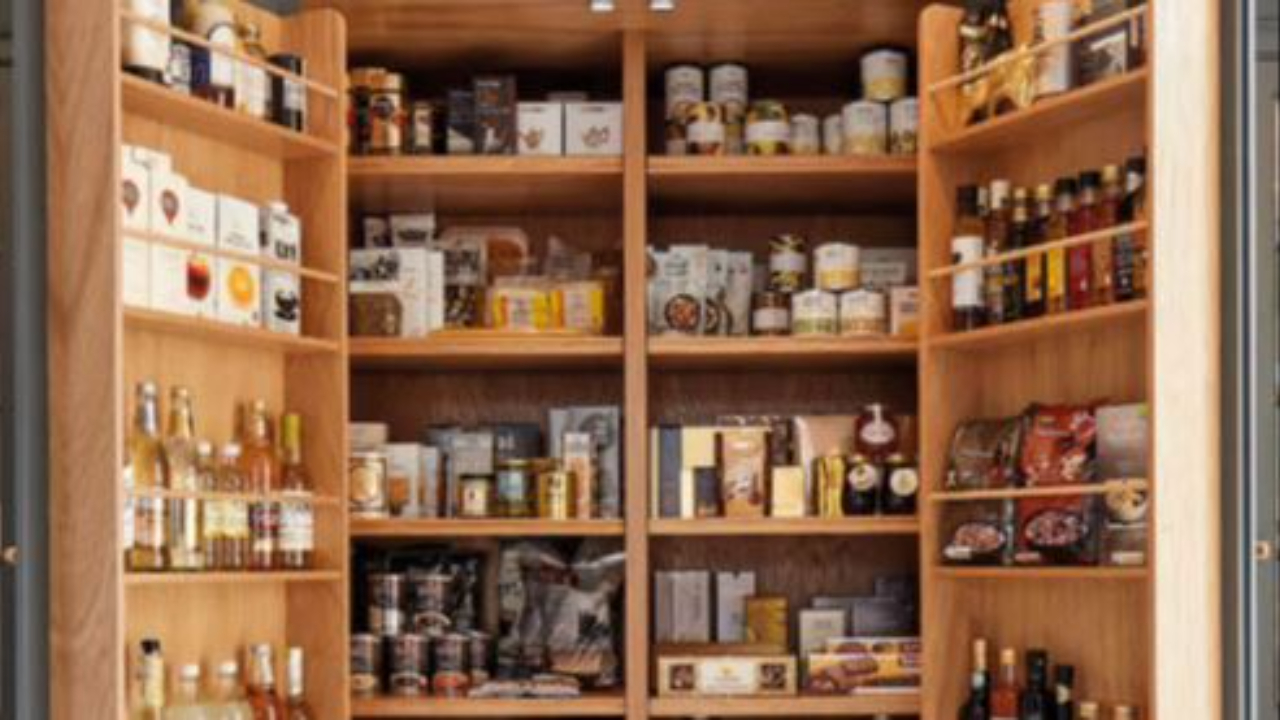
Instead of focusing on one specific symptom or strategy, I thought I’d take you into my kitchen cupboards and share a handful of simple staples I rely on regularly.
Not because they’re particularly fashionable, but because they give me a lot of flexibility at mealtimes, and quietly deliver a lot of nutritional value alongside that.
Now, you’ve heard me talk many times about the likes of flaxseeds, greens and berries, and those remain absolutely foundational.
But today I wanted to highlight a few other foods that don’t always get the same attention, yet can make a very practical difference when it comes to supporting your health during menopause.
- Butter beans - simple, filling, surprisingly useful
Starting with something very unassuming.
Now, from a strict nutritional density perspective, they’re not the most powerful legume available. If you’re looking for maximum nutrient concentration, darker beans like black beans or kidney beans tend to come out on top.
And one of the clues there is colour.
Butter beans are pale, and that generally reflects a slightly lower concentration of certain phytonutrients.
But here’s why I still use them regularly:
They are incredibly versatile.
Because they’re larger and softer, they add real substance to meals.
You can use them in:
- soups
• stews
• casseroles
• blended into a mash
• even as the base for a vegetarian pâté
They bring a texture that smaller beans don’t quite offer.
And nutritionally, they still provide:
- a good source of fibre
• a useful amount of plant-based protein
• minerals such as iron, magnesium, potassium and zinc
• and a range of antioxidant compounds like anthocyanins, catechins, flavonoids & quercetin. All powerful chemicals that help reduce inflammation & lower cholesterol.
That fibre alone is important.
We consistently see better long-term health outcomes in populations that consume more legumes, largely because of their impact on gut health, blood sugar regulation and inflammation.
For me, butter beans are one of those foods that make it easier to build a meal that is both satisfying and supportive.
- Tomato purée - small addition, significant benefit
This one is sitting in most cupboards already.
But it’s often underused.
We all tend to rely on tinned tomatoes, but adding a spoon or two of purée into a dish does something quite important nutritionally.
It gives you a concentrated source of lycopene.
Lycopene is a powerful antioxidant found in tomatoes - but here’s the key point: the tomatoes need to be cooked for us to be able to absorb it.
And because purée is concentrated, it contains higher levels - up to around 150mg per 100g.
So something as simple as adding it to:
- a pasta sauce
• a stew
• a casserole
is an easy way to increase your intake.
Lycopene has been associated with:
- protection against oxidative stress
• potential reduction in cardiovascular risk
• support for skin health
• and protection against age-related changes in vision
Again, nothing complicated, just a small, practical addition that builds into your overall nutritional picture.
- Nutritional yeast - not glamorous, but very useful
This is one I always have in the cupboard.
I don’t eat meat, so I’m always thinking about where I’m getting certain nutrients from - particularly vitamin B12.
Nutritional yeast is a very helpful addition in that respect.
But even if you do eat meat, it’s still worth considering.
It has a very distinctive flavour - cheesy & savoury like parmesan cheese - and it adds a depth to meals that’s difficult to replicate.
From a nutritional perspective, it offers:
- complete protein (all 9 essential amino acids)
• around 2g of protein per serving
• a range of other B vitamins, including B1, B2, B3, B6 and folate
• plus minerals such as zinc and selenium
If you’re trying to reduce your reliance on meat, even slightly, it can be a useful addition.
But even beyond that, it’s simply an easy way to add flavour and nutritional value to soups, stews, pasta dishes, roasted vegetables, even salads.
- Dried mushrooms - small ingredient, big impact
This sits quietly in the cupboard but can transform a dish.
Dried mushrooms - in my case at the moment, porcini. But really, any dried mushroom will do.
These are incredibly useful for two reasons:
Flavour and nutrition.
They provide a deep, savoury umami taste that adds richness to meals very quickly.
And because they’re dried, they’re concentrated - both in flavour and in nutrients.
They’re also:
- surprisingly high in protein (27–41g per 100g dried)
• a source of fibre
• rich in antioxidants such as ergothioneine and glutathione
These compounds are associated with:
- reducing oxidative stress
• supporting immune function
• and lowering inflammation
And practically speaking, they’re very easy to use.
They sit in your cupboard for months.
You can rehydrate them quickly.
And add them to almost anything.
- Dates - a simple, satisfying sweet option
And finally, something on the sweeter side. My favourite are Palestinian medjool dates.
These are my go-to when I want something sweet.
Yes, they are naturally high in sugar.
But they are also rich in fibre, which helps moderate their effect on blood sugar.
So compared to more processed sweet options, they tend to have a lower to moderate glycaemic impact.
They also provide:
- minerals such as potassium, magnesium and copper
• small amounts of B vitamins
• and a range of antioxidants including polyphenols and flavonoids
For me, they strike a balance between enjoyment and nourishment which is something I always come back to in menopause nutrition. They’re also amazing when filled with nut butter or dipped in melted dark chocolate!
Why this matters
None of these foods are revolutionary on their own.
But together, they represent something important: small, consistent choices.
Foods that are easy to keep in the cupboard. Easy to add into meals. And that quietly support:
- blood sugar balance
• gut health
• inflammation
• and long-term wellbeing
Because menopause nutrition doesn’t need to be complicated.
It needs to be practical, sustainable, and grounded in evidence.
Small additions can make a big difference over time.
I’d love to know…
Are you already using any of these?
And if so, how?
And if not - next time you’re at the supermarket, will any of them make it into your trolley?
A quick final note.
Menofest is happening tomorrow evening
Douglas Golf Club
6:30pm
We currently have around 70 women attending, and we can squeeze in a couple more.
If you’ve been meaning to come - or have only just heard about it - this is your opportunity.
It’s an evening designed to give you:
- clear, evidence-based information
• practical tools you can actually use
• and the chance to sit in a room with women who are experiencing the same stage of life
If you’d like to join us, click the link below and secure your place.
Come and give yourself an evening that could genuinely change how you experience menopause - in a way that feels calm, informed and in control.
Sign up to my newsletter
and get a Free Meal Plan
"Life is about balance and finding that balance starts with your nutrition"
We won't send spam. Unsubscribe at any time.
